
Malawi, Africa
Real impact. Real change. Run by us.
Bleubird has had strong family ties with Malawi for many years.
We are passionately driven to continue the ongoing work of The Bleubird Foundation.
As a team, we feel that this is the greatest way we can protect the environment, give back to society and encourage real, positive change.
The Bleubird Foundation is run by us - we know exactly where every penny donated goes and we ensure that every penny is put to good use.
We do this via 3 projects, check them out below...
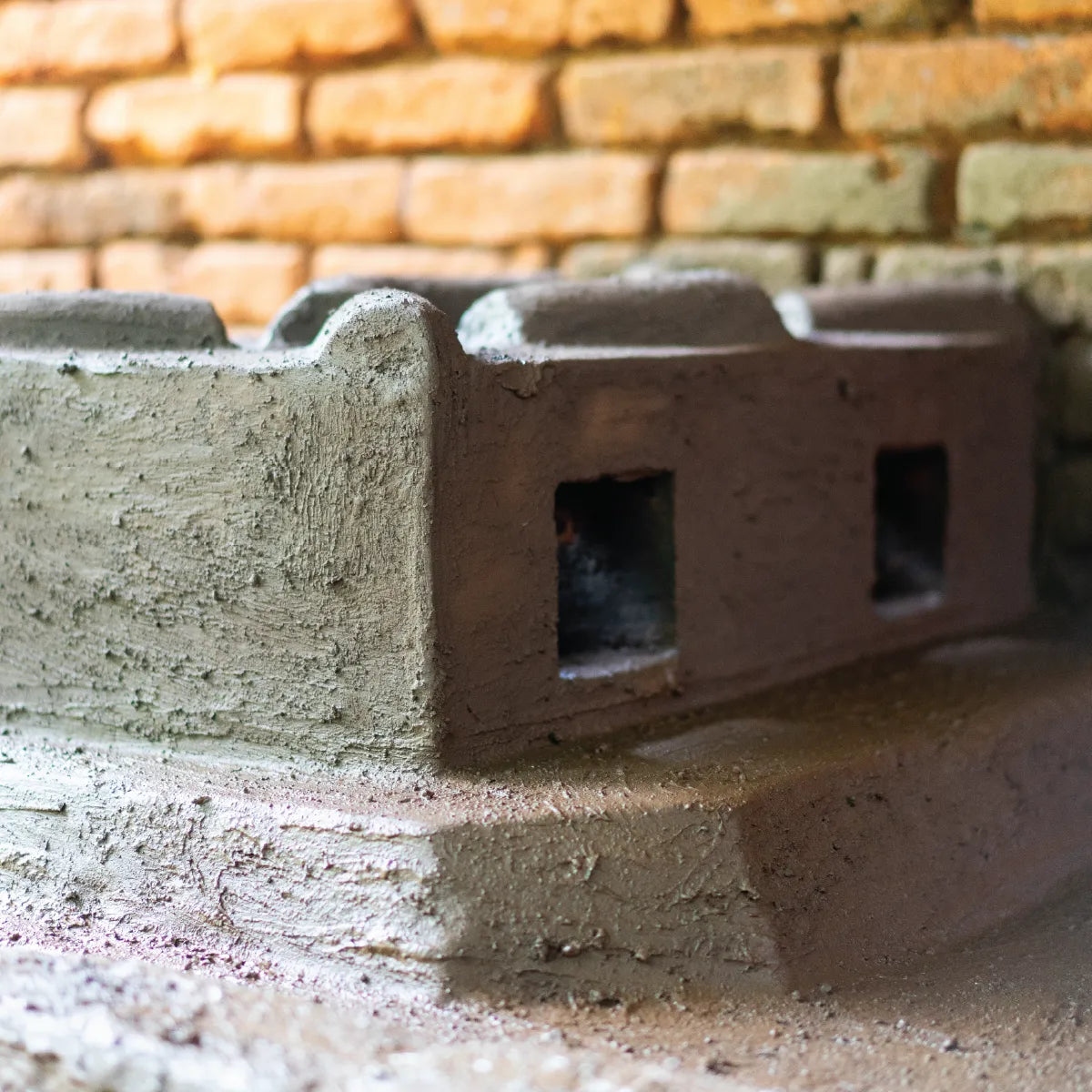
We build fuel efficient, child-safe cookstoves for families. Reducing C02 emissions, reducing wood consumption and preventing smoke related health issues amongst the local people.
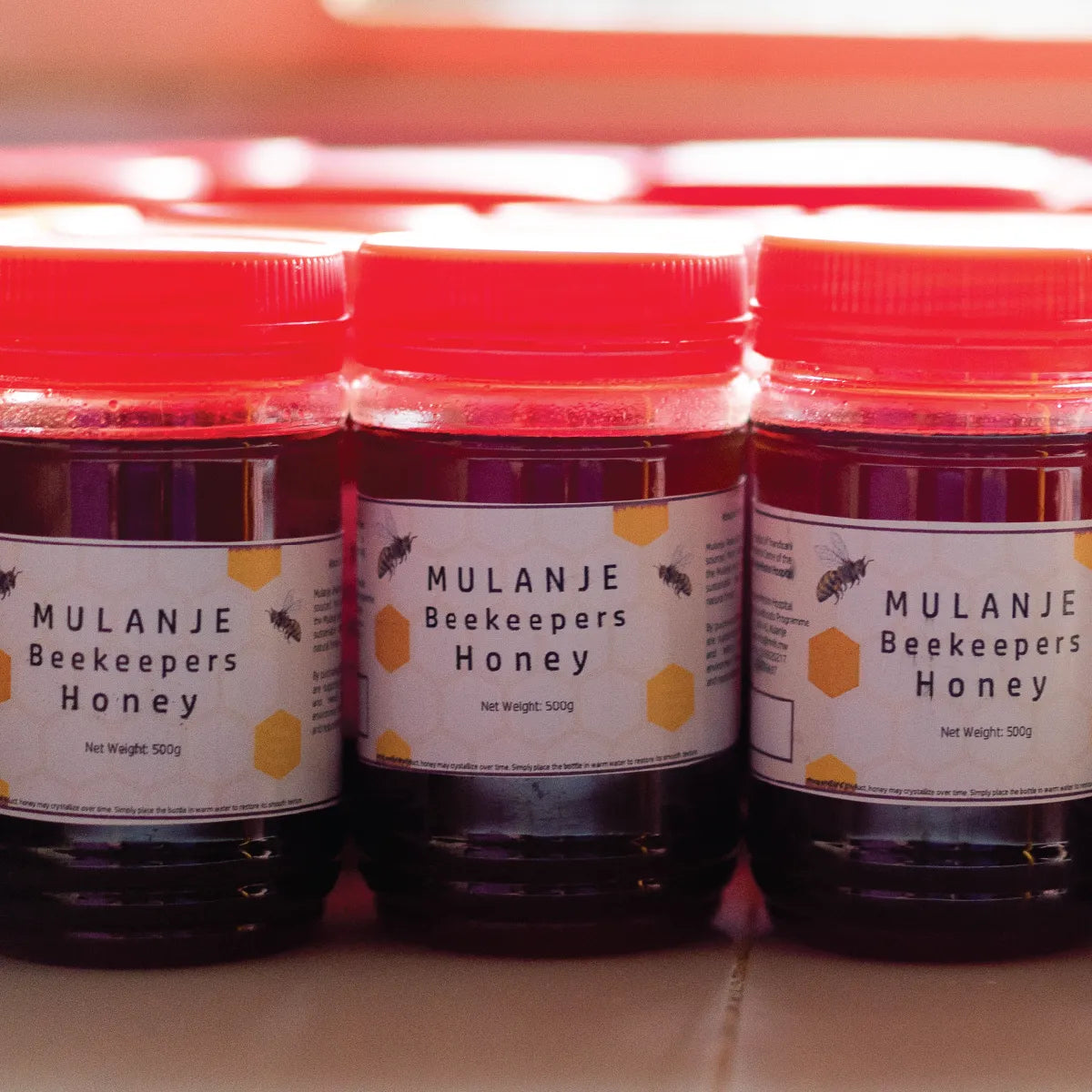
We train local women and provide them with the equipment to start beekeeping. They harvest the honey produced and sell it at local markets - providing them with a source of income, whilst protecting bees and wildlife. To date we have trained 526 female beekeepers.
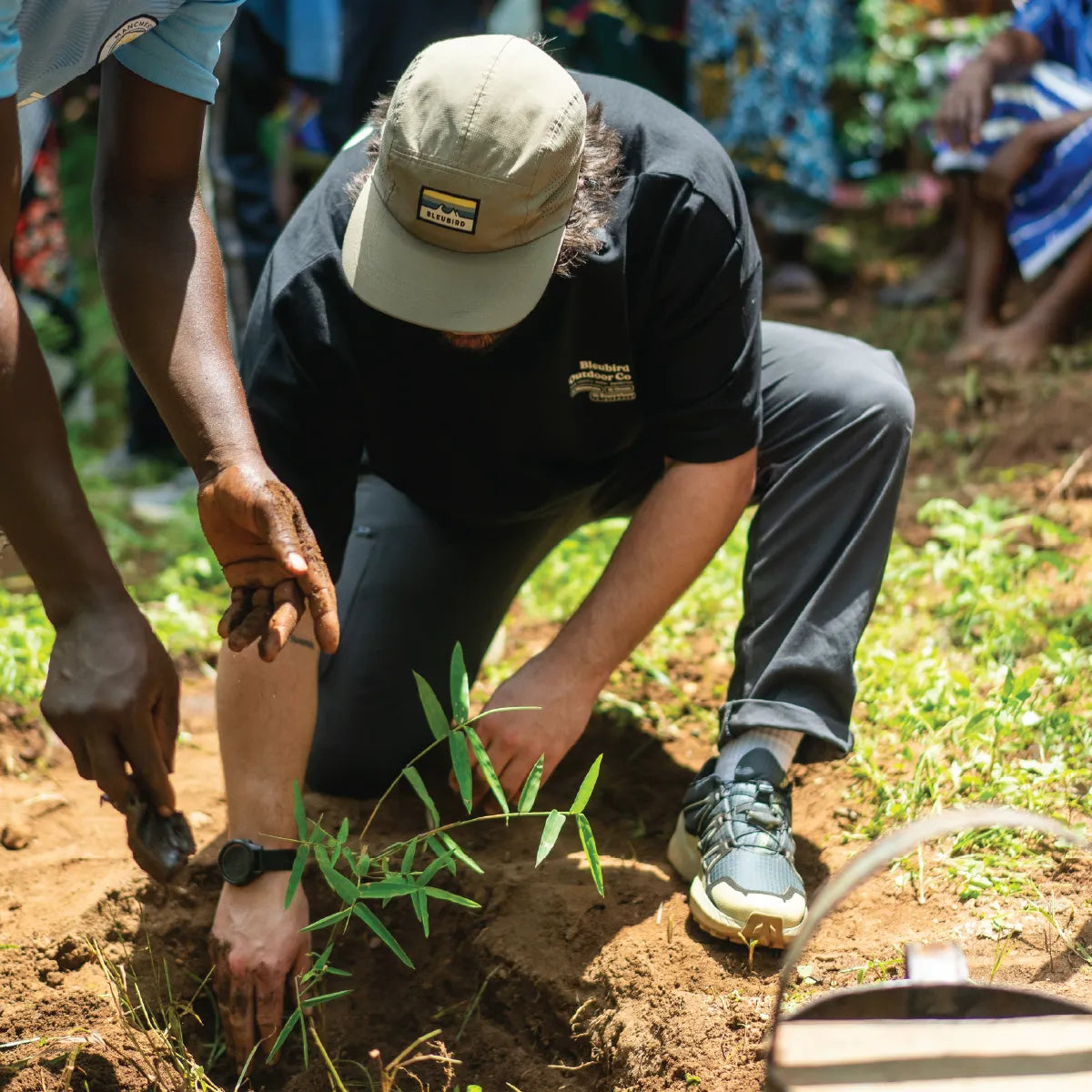
We have protected 11 Hectares of land in Mulanje, Malawi on which we plant 2 trees for every order. This land is protected and monitored to prevent further deforestation.
We build fuel efficient, child-safe cookstoves for families. Reducing C02 emissions, reducing wood consumption and preventing smoke related health issues amongst the local people.
We train local women and provide them with the equipment to start beekeeping. They harvest the honey produced and sell it at local markets - providing them with a source of income, whilst protecting bees and wildlife. To date we have trained 526 female beekeepers.
We have protected 11 Hectares of land in Mulanje, Malawi on which we plant 2 trees for every order. This land is protected and monitored to prevent further deforestation.
13,296
Cookstoves built for local families so far...
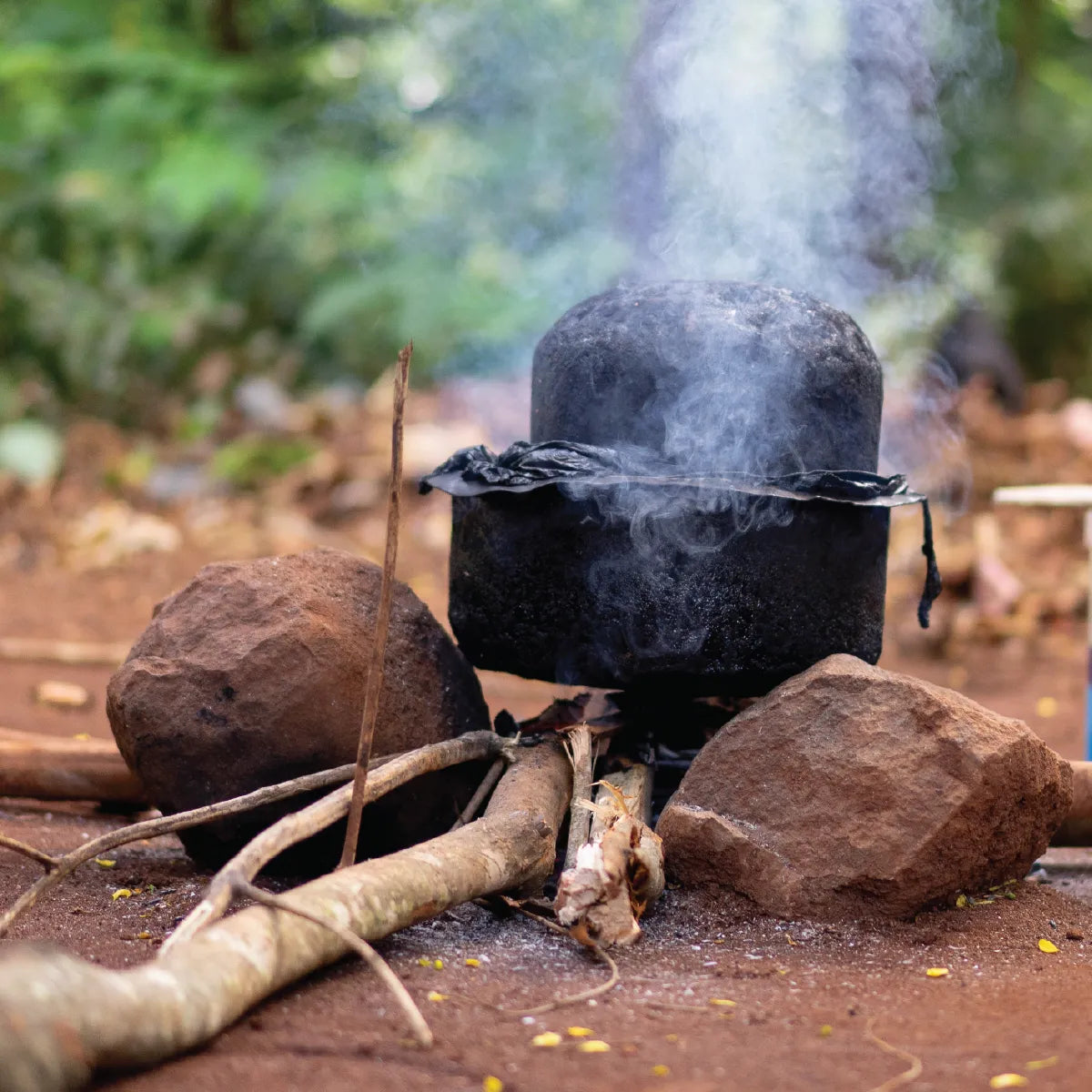
The majority of Malawian families (currently 90%) cook on an old-school 'Three Stone Fire' which sits in the middle of the living area.It’s dangerous and inefficient. Uses three to four wood bundles a week which takes 3-5 hours collecting, and the open fires cause health issues, inhalation problems and burns, especially to younger children.
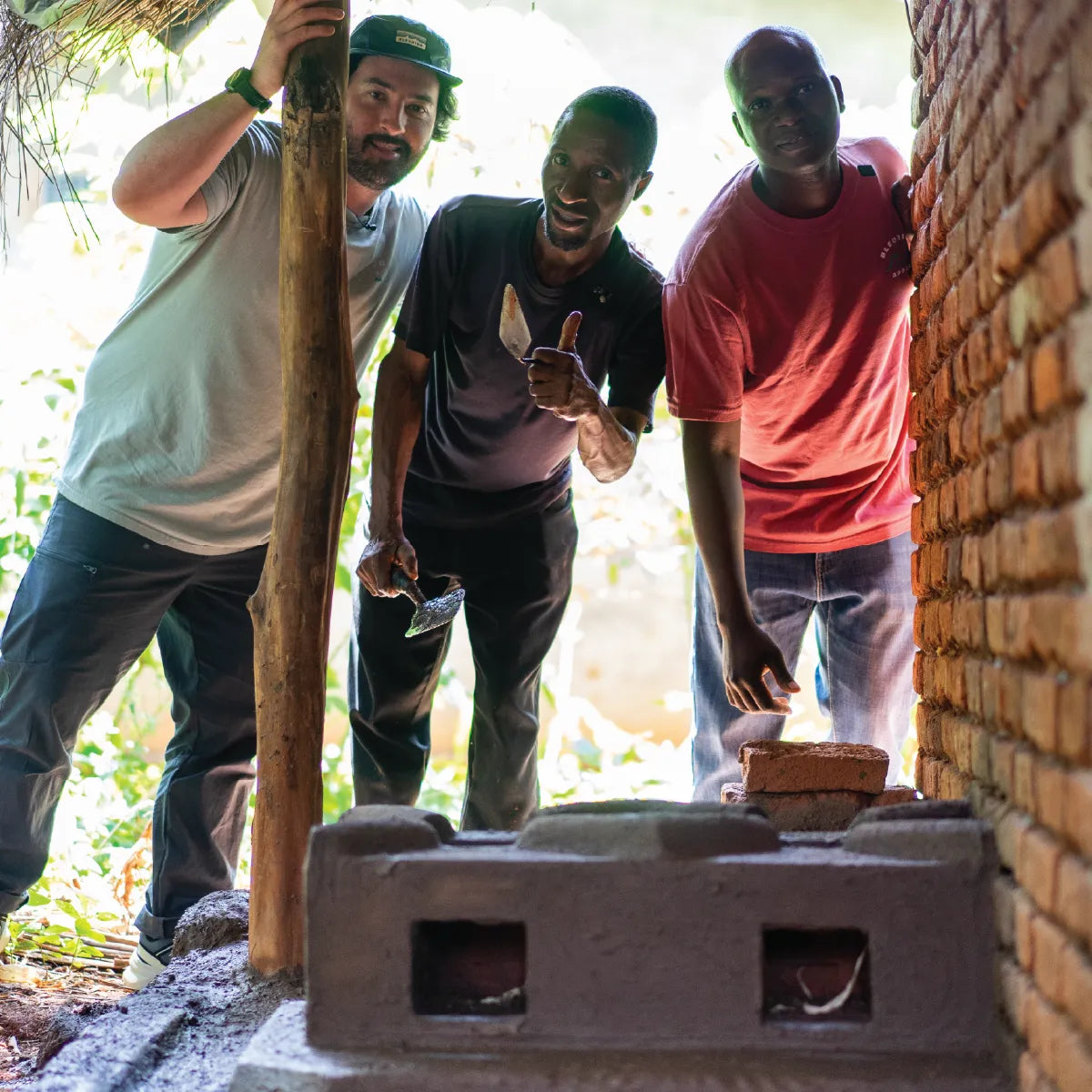
Working alongside the team at Mulanje Mission Hospital, we have been enabling families to make the switch away from the traditional cooking method, towards the Changu Changu Moto.
There are multiple benefits to making this switch, including a 66% reduction in household wood use, which not only helps tackle deforestation and CO2 emissions but also helps families save valuable time and labour.
In contrast to the Three Stone Fire, the Changu Changu Moto Cookstove keeps the flame enclosed within the cookstove, allowing for a safer method of cooking, and reducing smoke inhalation and burn incidents among younger children. It’s a simple mud brick and mortar mix. It uses natural materials, water and sunlight and takes just an hour to make.
The majority of Malawian families (currently 90%) cook on an old-school 'Three Stone Fire' which sits in the middle of the living area.It’s dangerous and inefficient. Uses three to four wood bundles a week which takes 3-5 hours collecting, and the open fires cause health issues, inhalation problems and burns, especially to younger children.
Working alongside the team at Mulanje Mission Hospital, we have been enabling families to make the switch away from the traditional cooking method, towards the Changu Changu Moto.
There are multiple benefits to making this switch, including a 66% reduction in household wood use, which not only helps tackle deforestation and CO2 emissions but also helps families save valuable time and labour.
In contrast to the Three Stone Fire, the Changu Changu Moto Cookstove keeps the flame enclosed within the cookstove, allowing for a safer method of cooking, and reducing smoke inhalation and burn incidents among younger children. It’s a simple mud brick and mortar mix. It uses natural materials, water and sunlight and takes just an hour to make.
One of the most impactful benefits of the Changu Changu Moto Cookstove project is the focus on education. The stoves are built using bricks made from a mud-mortar mix that is natural and readily available for locals to use. When stoves are first installed, families are involved in the entire process and shown how to fix and rebuild the stoves for themselves.
The Changu Changu Cookstove
Deep dive into this project...
Check out more info on what's going on with this project below.
The Bleubird Foundation is partnered with Mulanje Mission Hospital (MMH). MMH is a hospital who have a huge impact on the local community. The Bleubird relationship with MMH goes back years with both the founder, Matt and CEO, Michael having family connections.
Michael's father, John, is the main man behind the Bleubird Foundation. John has been working on projects with MMH for over 10 years and has enlisted the support of multiple Northern Irish companies to help support the work going on.
The Cookstove project is an initiative which has been proven by charities in other parts of Africa - it works. We therefore decided to make it our focus.
The funding Bleubird puts towards this project goes into the training, education, equipment and ongoing management.
We employ several local people in connection with MMH who are trained in how to build these stoves.
The stoves are built from a simple mud, mortar and water mix - all natural and readily available materials. It takes 1-2 hours to build one stove. Within 24 hours the stove will be dried out and ready to cooking with.
The ongoing management of this project is vital. We want to be sure that the work we are doing here has a future and that each stove built is put to good use.
Our partners in MMH carry out regular spot checks on stoves which have been built. When they are being built, every stove is photographed and geo-tagged with the information including the location of the stove, the time and date of the build and the name of the family/stove owner.
An inspection was carried out during a Bleubird visit in March 2025 which was extremely successful - every stove spot checked was found to be in good condition and in use.
Ongoing upkeep of the stoves is required. If there is heavy rain or storms, which is often in Malawi during the rainy season, the stoves can be damaged. Ensuring these are repaired and put back into use is important.
A 66% reduction in wood use equates to a reduction in deforestation and a reduction in carbon emissions. In the past 12 months, the stoves we have built has prevented 39,888 tonnes of carbon from entering the atmosphere.
That's the equivalent of 8,600 cars off the road. Not bad for a humble cookstove!
The traditional way of cooking in Malawi is on an open fire. It goes without saying that this is dangerous - especially considering a lot of homes don't have a dedicated 'kitchen area' - the open fires are placed wherever is convenient. With children playing, this becomes a hazard and unfortunately incidents of burns are common. The cookstove prevents this from happening as the flame is enclosed.
The cookstove also diverts smoke away from the the immediate vicinity. Asthma and lung disease problems are quite a significant problem in Malawi because of the traditional open fire - lot's of smoke is produced and families end up breathing this in. The cookstove drastically reduces this risk.
Due the 66% reduction of wood consumption, families (typically women) therefore don't have to collect as much wood for the fire. This cuts the labor time and effort down significantly and it also reduces the risks of women getting attacked when out collecting wood which is unfortunately quite a common threat.
Finally, the cookstove is much more energy efficient. The heat is focused on a burning area, meaning cooking time is reduced.
30,000
Is our target of cookstoves to be built by December 2026